



A statewide initiative designed to ensure coordinated prevention, response, and training for lifespan-related elopement for individuals with autism, dementia, and other intellectual or cognitive disabilities
Key Components
Approximately 49% of children diagnosed with autism are likely to elope, some as frequent as once per week. This behavior typically starts around age four
60% of individuals (6 in 10) living with Alzheimer’s dementia or other forms of dementia will elope at least once during the course of the disease

1 in 3 children are nonverbal or unable to communicate personal information
Individuals face an increased risk of serious injury or death
Families report emotional trauma and burnout
Please Note: This is an estimated figure compiled from various data sources. A key pillar of The LEAD Act™ is establishing stronger, more transparent data-collection systems to ensure reliable statewide reporting.
Note: As the prevalence of autism and dementia continues to rise, the need to ACT is increasingly urgent.
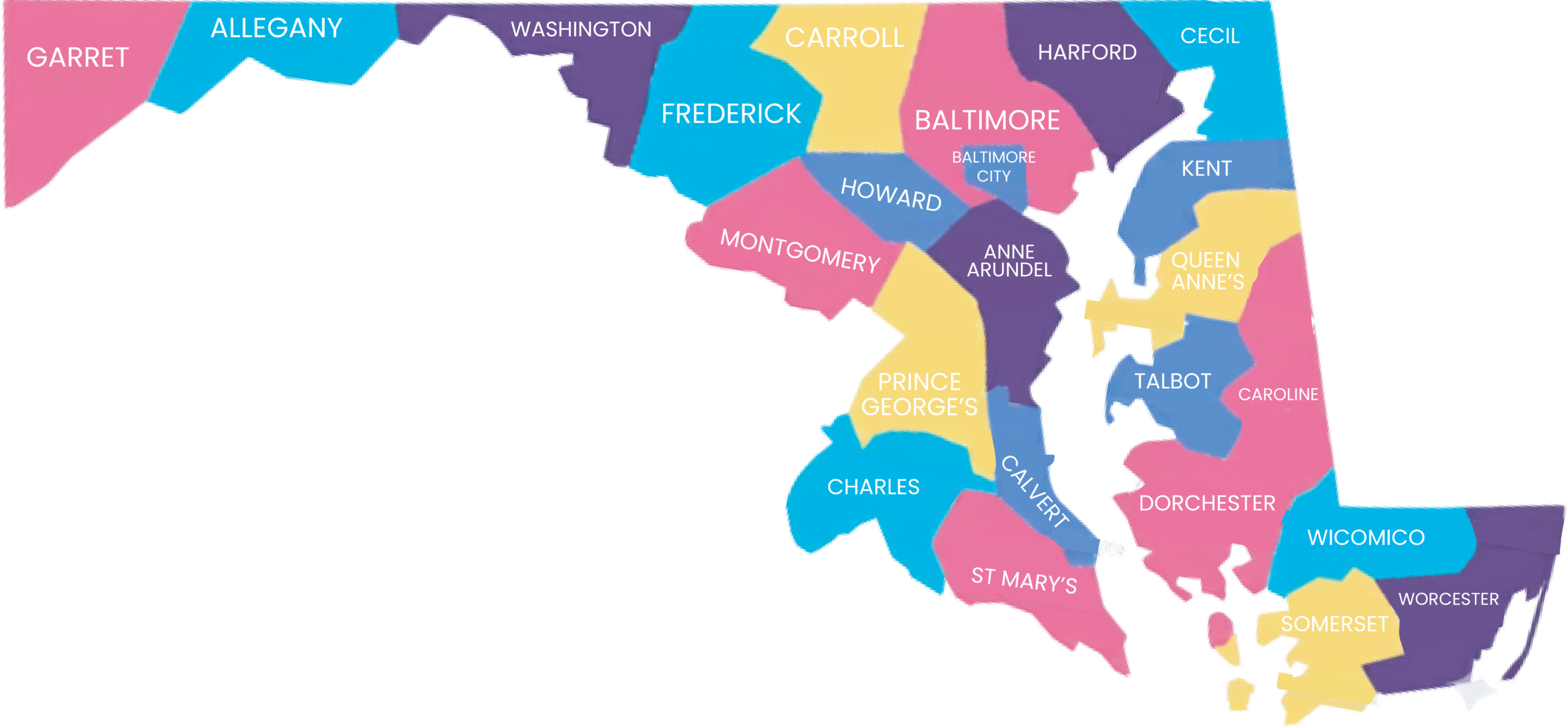
Note: The prevalence of Autism continues to increase in the state of Maryland. The rate of early diagnosis is improving, meaning this issue will only get BIGGER. This is an estimated figure compiled from various data sources. A key pillar of The LEAD Act™ is establishing stronger, more transparent data-collection systems to ensure reliable statewide reporting.



Please Note: This is an estimated figure compiled from various data sources. A key pillar of The LEAD Act™ is establishing stronger, more transparent data-collection systems to ensure reliable statewide reporting.
Purple Alert (2024) & Ace’s Law (2025)
Implemented an emergency notification system for missing persons with Intellectual and Development Disabilities (Purple Alert, House Bill 195)
Required schools to notify families, document incidents and create prevention plans for elopement (Ace’s Law, House Bill 1204)
Both laws are great initial steps to a more comprehensive approach between first responders, family caregivers, and professional caregivers
Nearly 50% of children who have autism have eloped at least once, some as frequent once per week.
1 in 3 are nonverbal or unable to communicate personal information.
Hundreds of deaths annually tied to elopement, mostly from drowning.
Families report emotional trauma and burnout.
Support The LEAD Act™ in Maryland’s 2026 General Assembly.
Encourage local adoption and training programs.

At Laila’s Gift, advocacy is a core part of our mission. We believe that lasting change for Sunflower Families begins not only with celebration and support, but also with a strong voice in the legislative process.
Our team actively monitors and identifies legislation that impacts the lives of families caring for children with intellectual and developmental disabilities (IDD) and medical complexities. This includes issues such as caregiving supports, elopement and wandering prevention and response, respite care, funding for essential programs, and broader family support services.
When important bills are introduced, we contribute input directly to policymakers—sharing real stories from Sunflower Families to ensure that the voices of caregivers, siblings, and children are represented. In addition to providing input, we also take part in introducing legislation that addresses gaps and creates stronger systems of support for families.
Stay tuned for updates on our 2026 Maryland General Assembly proposed bill, which will focus on strengthening resources and support for caregivers in the IDD community across the state of Maryland. Together, we can create policies that reflect the real needs of families and ensure every child and caregiver is seen, valued, and supported.
Your voice matters. If you have ideas to improve policies that support caregivers and families, we want to hear from you. Share your legislative suggestions or feedback with our team, and we will review them as part of our annual legislative priorities. If your proposal aligns with our scope, we’ll connect with you for more details.

“When Laila’s medical alert system failed during a power outage, we realized how vulnerable our community is. This initiative ensures no family feels alone in crisis.”
— Founder, Laila’s Gift
Impact Story:
“After aging out of pediatric care, Mateo (22, Down syndrome) used his MATE roadmap to secure housing, a job at a sunflower nursery, and ongoing medical support.”
Doctors, educators, and social workers co-manage cases
Digital portfolios tracking medical/educational needs
Funding for vocational training and independent living